If you have ever received fewer tokens from a Polygon swap than the quote promised, MEV may have been part of the reason. MEV is not a bug in Polygon or in any particular DEX. It is a consequence of how public blockchains order transactions. This guide explains what MEV is, where it comes from on Polygon, how MEV protection works, and what it can and cannot do for you.
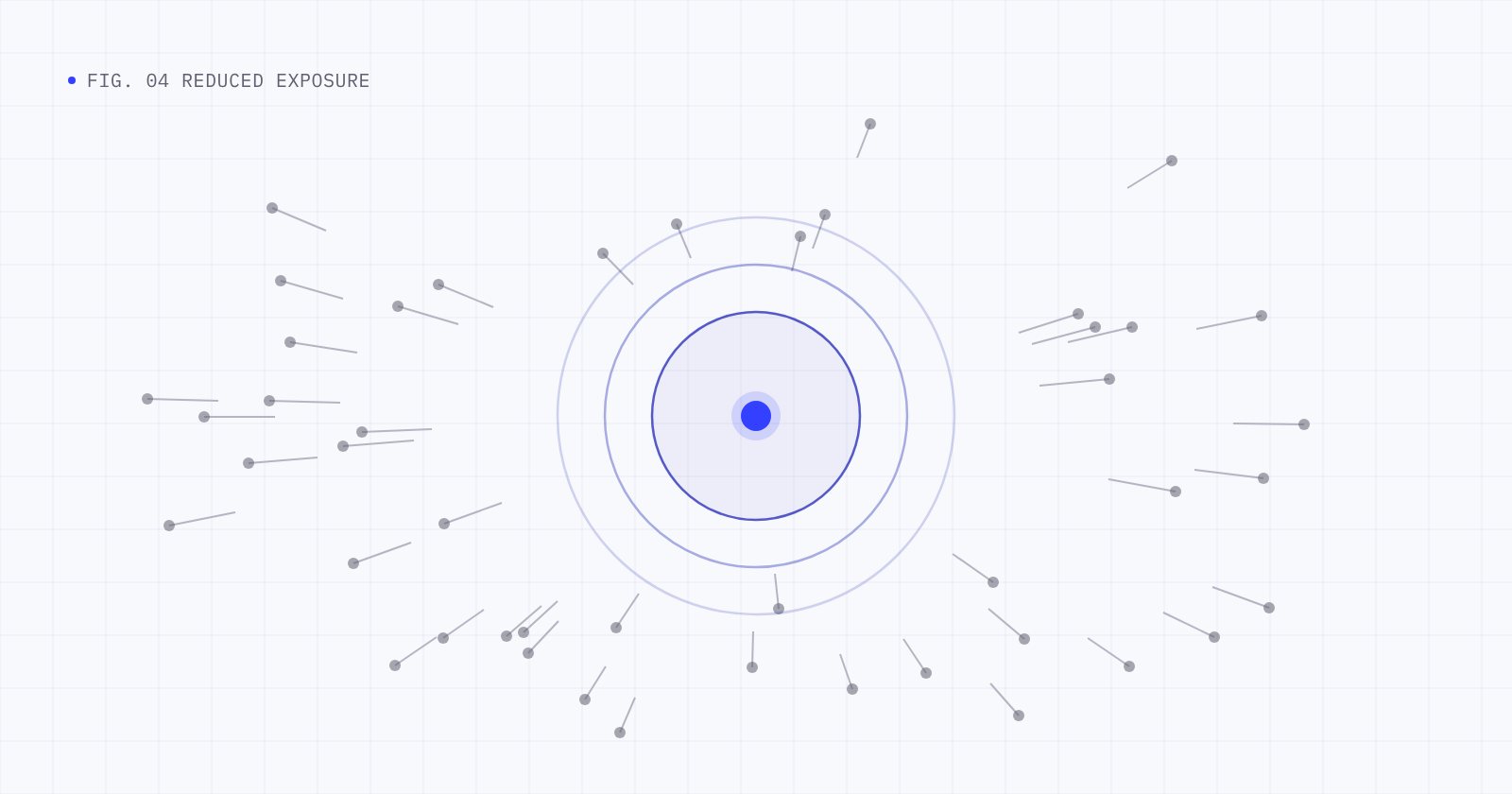
In short: MEV is value extracted by inserting, reordering or excluding transactions around yours. On Polygon, the main way users are exposed is the public mempool, where pending transactions are visible. MEV protection mostly means keeping transactions out of that public view until they are included, combined with sensible trade settings. It reduces risk; it does not eliminate every form of MEV.
What MEV is
MEV stands for maximal extractable value (originally “miner extractable value”). The term was popularized by the 2019 research paper Flash Boys 2.0, which described bots competing to reorder transactions on Ethereum for profit. The idea is simple: whoever controls or influences the order of transactions in a block can sometimes profit from that order.
MEV comes in several forms, and not all of them hurt users:
- Arbitrage. Bots close price differences between pools or venues. This keeps prices consistent and usually does not target a specific user.
- Liquidations. Bots repay unhealthy loans in lending protocols for a reward. This is a designed part of those protocols.
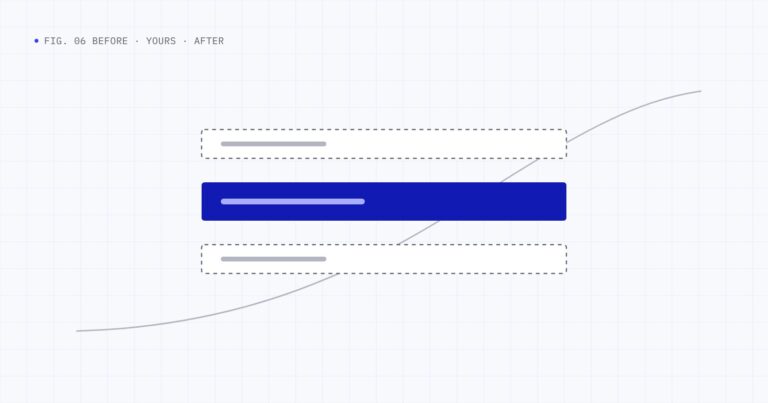
- Frontrunning. A bot sees your pending transaction and gets a transaction ahead of it to profit from the price change you are about to cause.
- Sandwich attacks. A bot places one trade before your swap and one after it, buying low and selling high around your transaction while you get a worse price.
- Back-running. A bot places a transaction immediately after yours, for example to arbitrage the price move your trade created.
MEV protection is mostly about the harmful kinds, frontrunning and sandwiching, which depend on seeing your transaction before it is final.
How transaction ordering works on Polygon
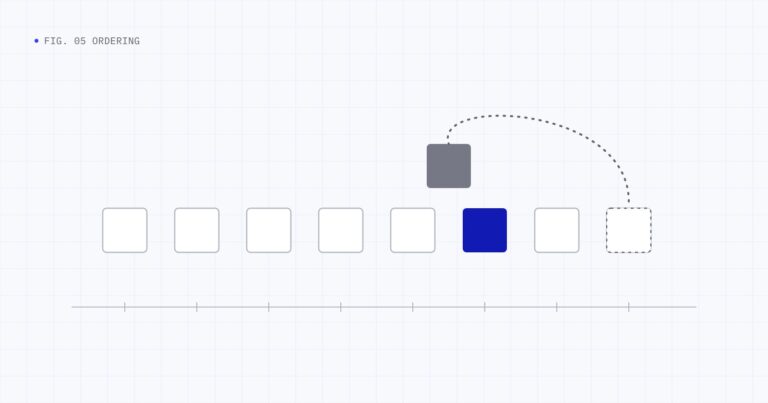
On Polygon PoS, block producers choose which pending transactions go into a block and in what order. Fees matter: transactions offer a priority fee on top of the base fee under the EIP-1559 fee model, and a higher priority fee generally makes a transaction more attractive to include early. That is the lever a frontrunner pulls.
Since the Rio upgrade in October 2025, Polygon uses Validator-Elected Block Producer (VEBloP): validators elect a small pool of producers, and one producer builds blocks for a longer span while backups stand by. Alongside Rio, Polygon also changed how fees, including captured MEV, are shared with validators that are not producing blocks. What has not changed is the basic exposure for users: a transaction broadcast to the public mempool can be seen by others before it is included.
Where your MEV exposure comes from
Three things make a transaction an attractive target:
- Visibility. The bot has to see the transaction in time to react. The public mempool provides that.
- Predictable price impact. A swap that moves a pool’s price is profitable to trade around. Larger trades in thinner pools move prices more.
- Loose limits. Your slippage tolerance tells the bot how far it can push the price before your transaction would fail. A high tolerance is a bigger budget for the attacker.
Remove any one of these and the attack becomes harder or unprofitable. MEV protection works on the first; good trade settings work on the second and third.
How private submission protects you
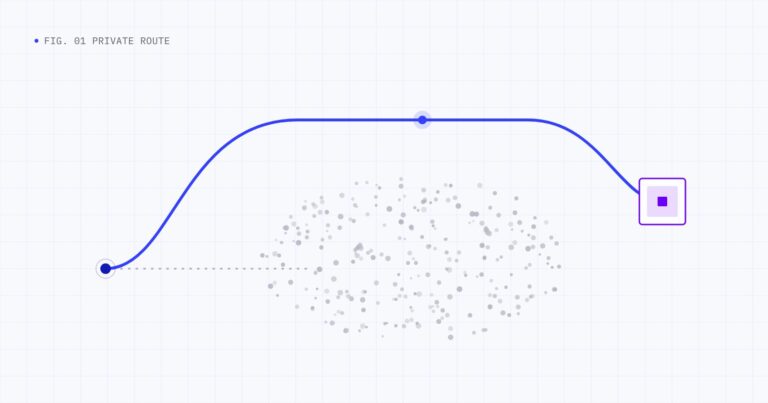
Private submission sends your signed transaction to a private RPC endpoint, which routes it toward block production without broadcasting it to the public mempool. Bots watching the mempool never see it while it is pending, so they cannot place trades before or around it based on that information.
This is the approach used by private RPC providers on Polygon, including Hyperstrate, and by Polygon Labs’ own Private Mempool, launched in April 2026. Your transaction, fees and contracts are unchanged; only its route to the block producer differs. The details are in Polygon private RPC explained.
What MEV protection cannot do
Being precise about the limits is the difference between protection and false comfort.
- It does not hide transactions after inclusion. Once included, everything is public. Back-running and other post-inclusion strategies are unaffected.
- It does not control market movement. If other traders move the price before your transaction executes, slippage can still occur.
- It relies on the private path. The provider and the parties it forwards to can see your transaction before inclusion. Understand the provider’s model.
- It does not fix loose settings. A 10% slippage tolerance is still a 10% risk, from any cause.
- It does not guarantee inclusion. The network decides whether and when a transaction lands.
- It does not fix contract-level issues. Vulnerable contracts, manipulable oracles or risky approvals are separate problems.
Be wary of any service that promises complete or guaranteed MEV protection.
A layered approach to Polygon MEV protection
The most reliable protection combines several measures:
- Submit sensitive transactions privately. Swaps, liquidations, rebalancing and admin operations benefit most.
- Set tight slippage. Use the smallest tolerance that lets your trade succeed in normal conditions.
- Use deadlines. Most DEX routers accept a deadline after which the swap reverts instead of executing late at a stale price.
- Mind your size. Splitting a large trade, or routing it across pools, reduces the price impact that makes it attractive.
- Consider limit-style execution. Limit orders and request-for-quote systems avoid exposing a market order with wide tolerance.
- Monitor results. Compare executed prices with quotes, and look at the transactions around yours on Polygonscan.
For specific attacks, see how to prevent frontrunning on Polygon and sandwich attacks on Polygon.
How to evaluate an MEV protection service
- Does it explain clearly how transactions travel and who sees them before inclusion?
- Does it state its limits, such as post-inclusion MEV and inclusion not being guaranteed?
- Can you track every transaction’s status?
- Is pricing transparent, including for transactions that do not land?
- Is it independent, or tied to a specific block producer or venue, and does that matter for you?
Frequently asked questions
Does Polygon have MEV?
Yes. Like other public blockchains with a public mempool and fee-based ordering, Polygon PoS has arbitrage, liquidations, frontrunning, sandwich attacks and back-running.
Is MEV protection on Polygon guaranteed?
No service can guarantee protection from all MEV. Private submission removes exposure to bots watching the public mempool, but it cannot affect what happens after inclusion or prevent normal market movement.
Do I need MEV protection for simple transfers?
Usually not. A transfer between wallets has no price impact to exploit. MEV protection matters most for swaps, liquidations, large trades and time-sensitive operations.
Does MEV protection cost more?
Network gas is unchanged. Providers may charge a service fee; Hyperstrate charges per transaction, with a lower price for transactions that are attempted but do not land and no charge for those never attempted.
Conclusion
MEV on Polygon comes from a simple fact: pending transactions in the public mempool are visible, and ordering can be influenced. Polygon MEV protection works by removing that visibility for the transactions that need it, and it works best alongside tight slippage, deadlines and sensible trade sizes. It is a strong reduction in risk, not a guarantee.
Hyperstrate routes signed Polygon transactions privately toward block production through a single authenticated endpoint. See pricing, read the FAQ, or talk to our team.