Traders spend a lot of effort on what to trade and when. Far less attention goes to how the trade travels from a wallet to a block, yet on Polygon that path can decide the price you actually get. Private transaction routing changes the path. This article explains why that matters for DeFi traders and trading bots, where it helps, what it costs, and what it cannot fix.
In short: transactions sent through public RPC endpoints wait in the public mempool, where bots can see and react to them before they are included. Private transaction routing sends signed transactions toward block production without that public exposure. For traders, that means less risk of being frontrun, sandwiched or copied, while settlement stays public on Polygon.
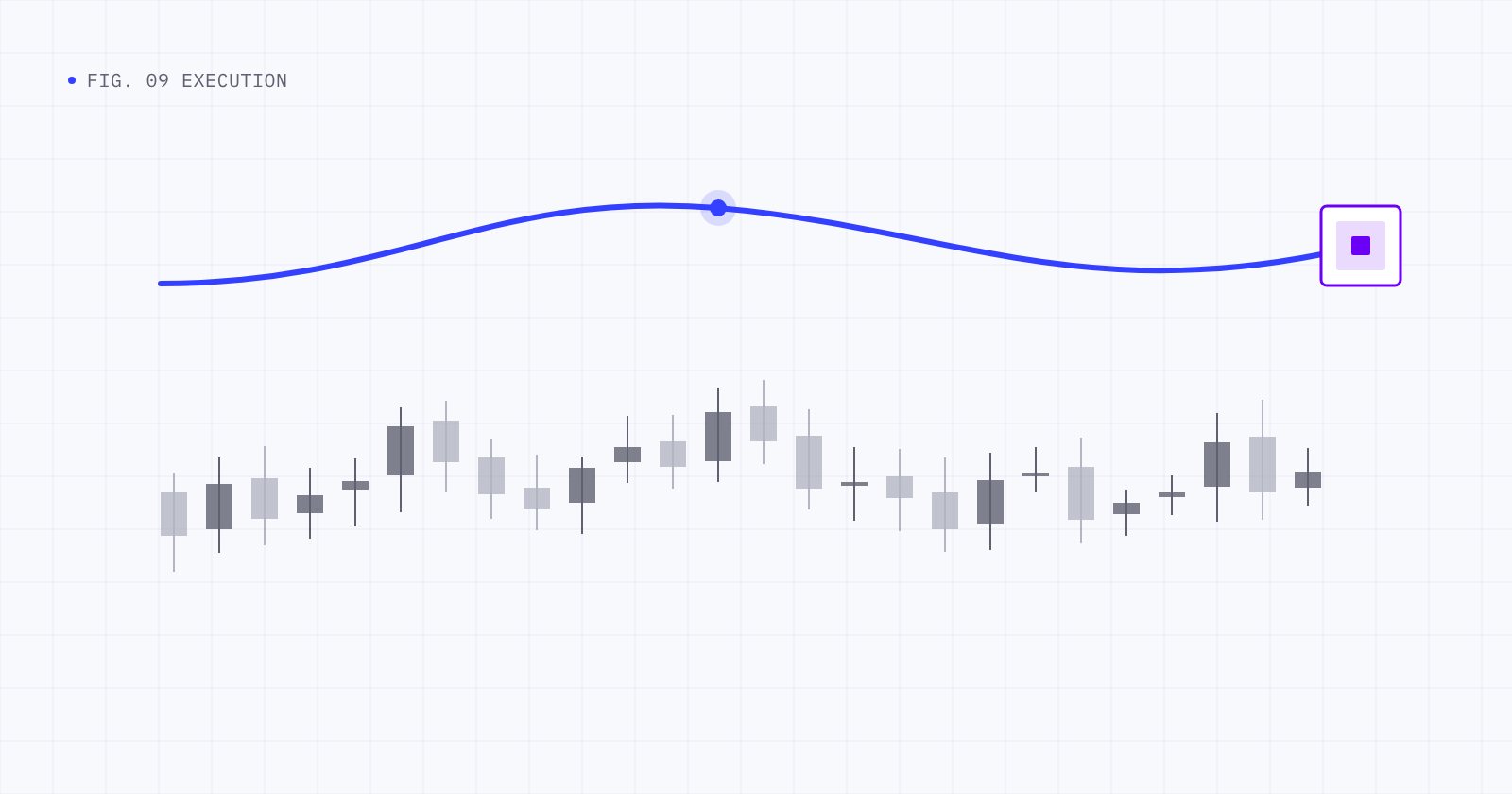
Execution quality is more than the quote
The quote in your DEX interface is a starting point. What you actually receive depends on what happens between signing and inclusion. Execution quality has several parts:
- Price received versus price quoted. The gap includes normal market movement, your own price impact and any value extracted by others.
- Failed transactions. A swap that reverts still costs gas and a missed opportunity.
- Timing. Being included later than expected can mean a worse price in a moving market.
- Information leakage. If others can see your trades before they execute, they can trade against your strategy.
Private routing mainly addresses the third-party extraction and information leakage parts.
The trading risks of public mempool exposure
When a swap sits in the public mempool, several things can happen to it:
- Sandwich attacks. A bot buys before your swap and sells after it, capturing the price impact you create, up to your slippage tolerance. See sandwich attacks on Polygon.
- Frontrunning. A bot takes the opportunity your transaction was going after, such as an arbitrage or a liquidation, by getting in first. See how to prevent frontrunning on Polygon.
- Copy trading and strategy leakage. Repeated, visible patterns from the same address make a strategy easy to follow or counter.
- Races for the same opportunity. Liquidations and arbitrage attract competitors who watch for each other’s transactions.
How private transaction routing helps traders
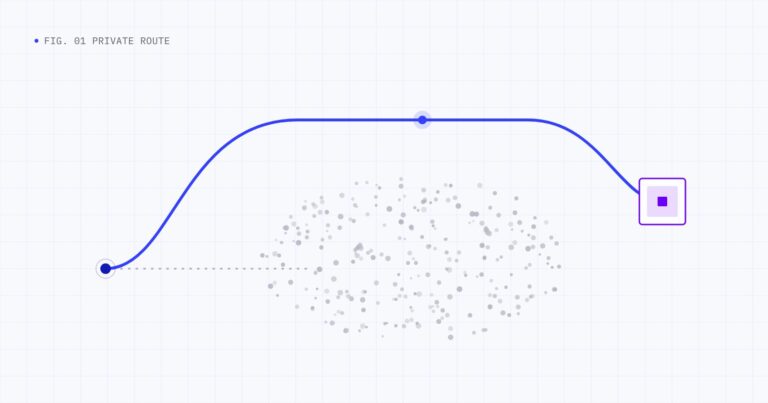
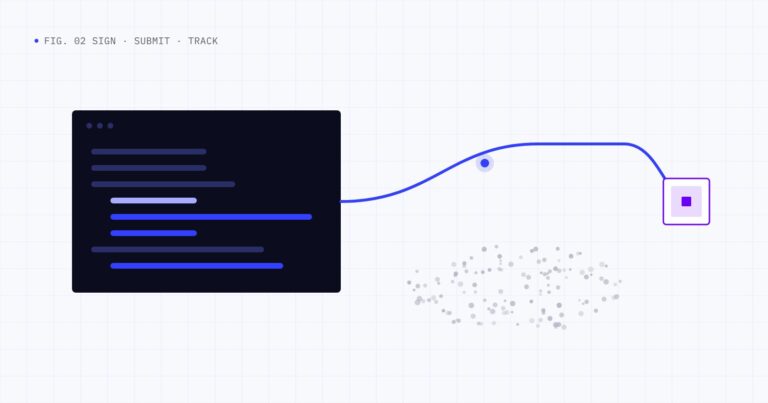
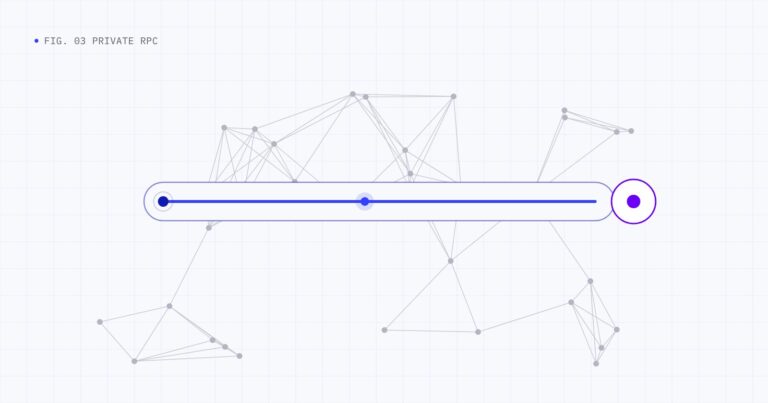
With private routing, the trader’s application signs the transaction as usual and sends it to a private RPC endpoint. The endpoint forwards it through private infrastructure toward block production instead of broadcasting it publicly. Bots that depend on reading the public mempool never see it while it is pending.
For a trader, the practical effects are:
- Fewer opportunities for mempool-based sandwiches and frontruns on swaps.
- Less visible strategy while orders are pending.
- The same settlement. Trades are still recorded publicly on Polygon after inclusion, and still appear on Polygonscan.
Who benefits most
- Active DEX traders placing swaps where price impact is meaningful.
- Trading bots that execute programmatically and repeatedly, where small losses per trade add up.
- Market makers rebalancing inventory without signaling it in advance.
- Liquidators and arbitrageurs competing for time-sensitive opportunities.
- Treasuries and DAOs executing larger swaps or scheduled operations.
- Wallets and front ends that want to protect their users’ swaps by default.
Execution considerations for bots and trading systems
Private routing is part of an execution stack, not a replacement for one. When you add it, think about:
- Integration. For most bots it means changing the URL used for sending transactions. Keep reads on your existing provider. Code is in how to send private transactions on Polygon.
- Inclusion behavior. Inclusion is never guaranteed. Set timeouts, and decide when to resend the same transaction or replace it with a higher fee.
- Nonce discipline. Bots that send many transactions should manage nonces locally and resync after errors.
- No public fallback. Falling back to a public RPC when the private route is slow puts the transaction straight back into the public mempool.
- Monitoring. Track every transaction from acceptance to inclusion and finality, and alert on reverts and timeouts.
- Cost model. Compare the service fee with what exposure costs you. Hyperstrate charges per transaction, with a lower price for transactions that are attempted but don’t land and no charge for those never attempted. See pricing.
What private routing cannot fix
- Your own price impact. A large trade in a thin pool moves the price no matter how it is submitted.
- Market movement. Other traders’ activity and oracle updates still move prices.
- Loose slippage settings. Wide tolerances remain risky for any reason.
- Post-inclusion MEV. Back-running and other strategies that react after inclusion are unaffected.
- Strategy design. Routing does not make an unprofitable strategy profitable.
How to measure the difference
Avoid relying on anyone’s headline numbers, including ours; measure on your own flow:
- Realised versus quoted output per trade, before and after switching routes.
- Sandwich pattern rate: how often a transaction from the same address appears directly before and after yours in the same pool.
- Revert rate and the gas spent on reverted transactions.
- Time to inclusion from submission to receipt.
Run the comparison over enough trades and similar market conditions for the results to mean something.
Frequently asked questions
Can trading bots use private transaction routing on Polygon?
Yes. A bot signs transactions with its own key and submits them to a private RPC endpoint instead of a public one, usually by changing one URL. It should still manage nonces, fees and slippage and monitor every transaction.
Does private routing guarantee a better price?
No. It reduces exposure to bots that watch the public mempool. Your price still depends on liquidity, market movement, your trade size and your slippage settings.
Will my trades be private after they execute?
No. After inclusion, trades are public onchain and visible on Polygonscan, like every Polygon transaction.
Conclusion
For DeFi traders on Polygon, the route a transaction takes is part of execution quality. Public mempool exposure invites sandwiches, frontruns and strategy leakage; private transaction routing removes that exposure while leaving settlement unchanged. Combine it with tight slippage, careful sizing and good monitoring, and measure the results on your own trades.
Hyperstrate offers private transaction routing for Polygon through one authenticated endpoint, built for traders, bots and developers. See use cases, read MEV protection on Polygon, or talk to our team.