Every Polygon transaction spends a short time in public before it lands in a block. During that window, anyone running a node, or watching one, can see what you are about to do: which pool you are trading on, how much, and how much slippage you will accept. Private transactions remove that window. This guide explains what Polygon private transactions are, how private submission works, what it protects you from and, just as important, what it does not.
In short: a Polygon private transaction is an ordinary signed transaction that is sent through a private channel toward block production instead of being broadcast to the public mempool. It is hidden while pending and fully public once it is included in a block.
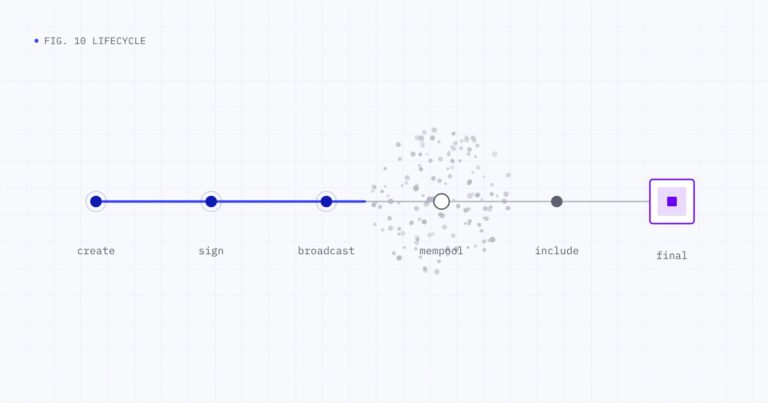
How a normal Polygon transaction travels
To understand what changes with private submission, it helps to follow a regular transaction on Polygon PoS from start to finish.
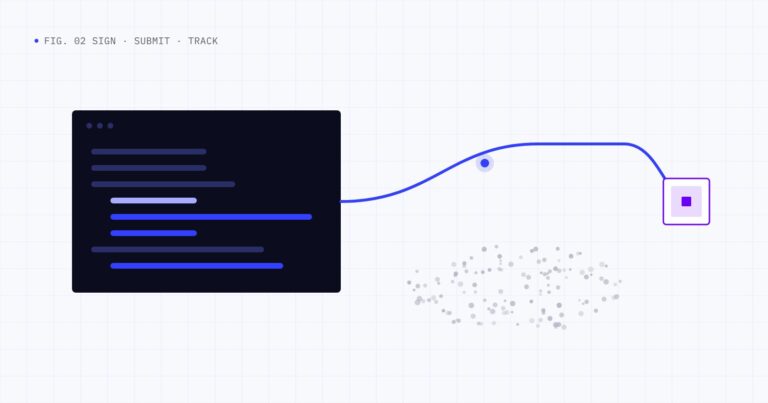
- Creation and signing. Your wallet or application builds a transaction (recipient, value, call data, gas limit, fees, nonce and chain ID 137) and signs it with your private key.
- Submission to an RPC. The signed transaction is sent to an RPC endpoint with the standard
eth_sendRawTransactionmethod. - The public mempool. The node behind that endpoint checks the transaction and adds it to its transaction pool, then gossips it to its peers. Within moments, many nodes across the network hold a copy. This shared waiting area is what people call the public mempool.
- Selection by a block producer. A block producer picks transactions from its pool, orders them and builds a block.
- Inclusion and finality. The block is added to the chain. On Polygon PoS, milestones produced by the validator set typically make a block final within a few seconds, according to the Polygon documentation.
Step 3 is the one that matters here. The public mempool is public by design: it is how transactions reach whoever produces the next block. But it also means pending transactions can be read by anyone, including automated bots that look for profitable reactions. You can read more about each stage in our guide to Polygon’s mempool and transaction lifecycle.
What changes with private submission
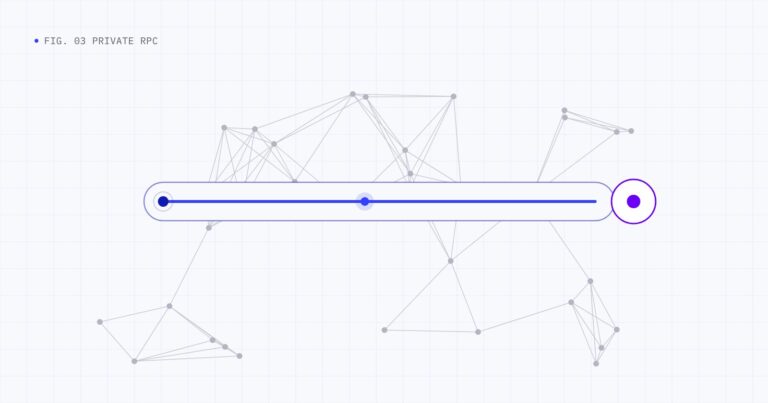
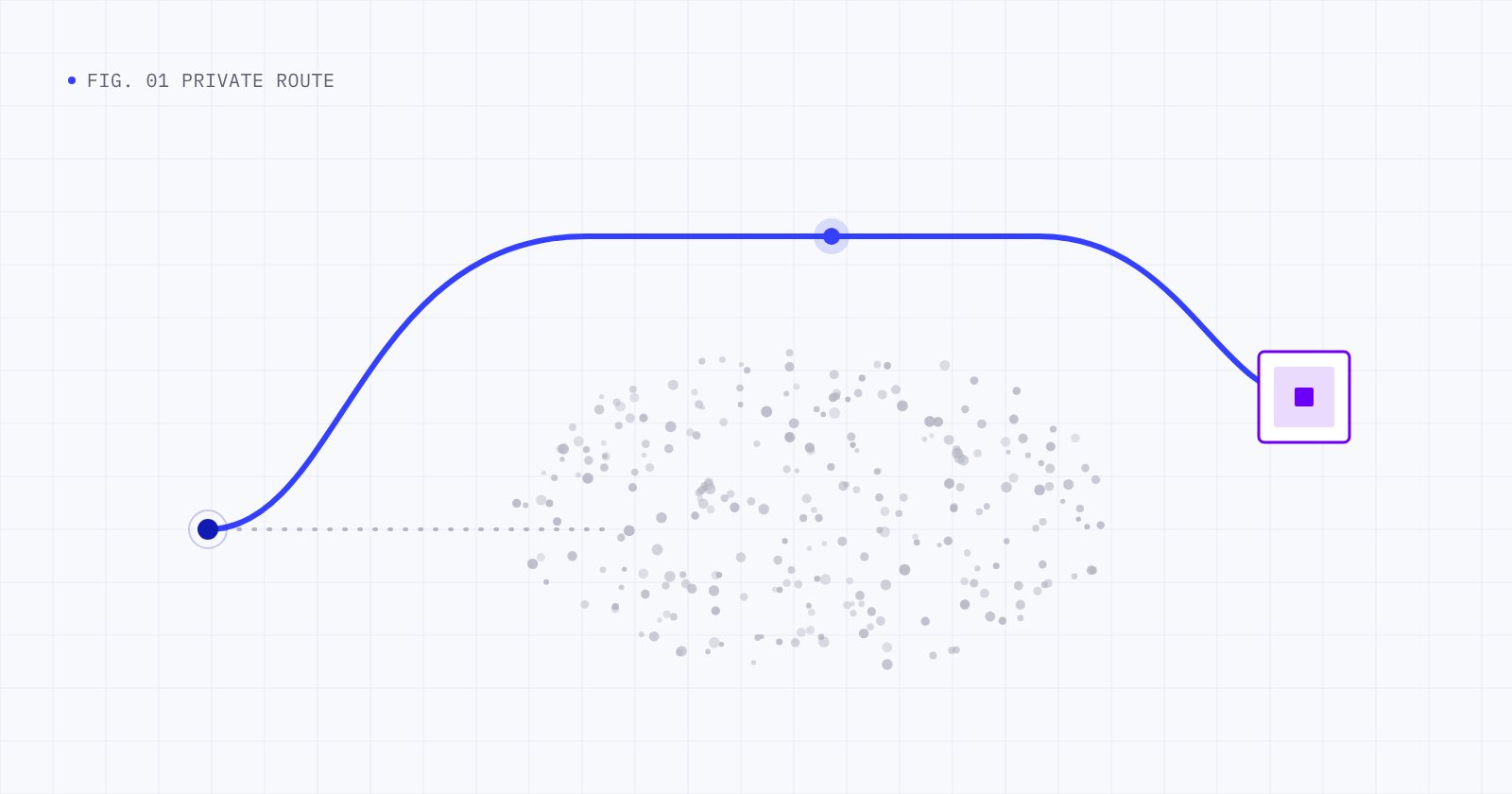
With private submission, steps 1, 4 and 5 stay exactly the same. Only the path in the middle changes. Instead of handing the signed transaction to a public RPC that gossips it to the network, you send it to a private RPC endpoint. That endpoint forwards it through private infrastructure toward block production without broadcasting it to the public peer-to-peer network.
The practical result: while your transaction is pending, it is not sitting in the public mempool where bots can observe it. Once a block producer includes it, it is recorded onchain like any other transaction.
What stays the same
- Your signature and keys. You still sign locally. A private RPC receives a signed transaction, never your private key.
- Your contracts. Nothing about the contracts you call needs to change.
- Fees and nonces. You still pay normal Polygon gas fees in POL and still manage nonces as usual.
- Settlement. The transaction settles on Polygon PoS and appears on Polygonscan after inclusion, with its sender, recipient, input data and fees.
Why the public mempool is a problem for some transactions
For a simple transfer between two of your own wallets, being visible for a few seconds rarely matters. For anything that moves a market, it can. The value that can be extracted by inserting, reordering or excluding transactions around yours is called MEV (maximal extractable value). The most common ways it affects users are:
- Frontrunning. A bot sees your pending trade and gets its own trade included first, usually by paying a higher priority fee. See how to prevent frontrunning on Polygon.
- Sandwich attacks. A bot buys just before your swap and sells right after it, so your swap executes at a worse price and the bot keeps the difference. See sandwich attacks on Polygon.
- Copying and information leakage. A strategy that is visible before it executes can be copied or traded against.
Each of these depends on seeing your transaction before it is included. Remove the visibility and you remove the opportunity, at least from anyone who relies on the public mempool.
Advantages of private transactions
- Less exposure to mempool-based MEV. Bots that watch the public mempool cannot react to a transaction they never see.
- No change to how you sign or what you call. In most integrations the only change is the URL your application submits transactions to.
- Better protection for sensitive operations. Large swaps, liquidations, rebalancing, treasury moves and even approval revocations are less likely to be raced.
- Predictable execution intent. Your transaction is evaluated on its own terms rather than as a target.
Limitations you should know about
Private submission is useful, but it is not magic. Being clear about its limits is part of using it well.
- Privacy ends at inclusion. Once a transaction is in a block it is public and permanent, like every Polygon transaction. Private submission does not hide amounts, addresses or call data from block explorers.
- It does not remove every form of MEV. Strategies that react after a transaction is included, such as back-running, are not affected. Neither are price moves caused by other traders or by oracle updates.
- You rely on the private path. The private RPC, and anything it forwards to, can see your transaction before inclusion. Choose a provider whose model you understand.
- Inclusion is not guaranteed. Whether and when a transaction is included is decided by the network. A transaction with too low a fee, a bad nonce or a failing call can still be dropped or revert.
- Slippage settings still matter. If you accept 5% slippage, a sandwich is not the only way to lose 5%. Tight limits remain your safety net.
Who uses private transactions on Polygon
Private submission is most valuable where timing and intent matter:
- Traders and trading bots executing swaps on Polygon DEXs.
- Market makers rebalancing inventory without signaling it.
- Wallets offering users an optional private or protected sending mode.
- DEXs and DeFi protocols routing user transactions or protocol operations.
- Treasuries and payment operations moving larger amounts or running time-sensitive admin transactions.
For a closer look at the trading side, read why private transaction routing matters for DeFi traders.
Private transaction options on Polygon today
Several options exist. Polygon Labs announced its own Private Mempool endpoint in April 2026, which sends transactions to Polygon’s elected block producers instead of the public mempool. Independent providers, Hyperstrate among them, offer their own private RPC endpoints and routing.
Whichever you evaluate, ask the same questions:
- How does a submitted transaction reach block production, and who can see it before inclusion?
- What happens if it is not included? Is it retried, and how are you told?
- Which RPC methods and authentication does the endpoint use?
- How is usage priced, and are failed or unlanded transactions charged?
Frequently asked questions
Are Polygon private transactions hidden forever?
No. They are hidden from the public mempool only while they are pending. After inclusion they are recorded onchain and visible on Polygonscan like any other transaction.
Do I need a special wallet or contract to send a private transaction?
No. You sign the transaction as usual and submit it to a private RPC endpoint instead of a public one. Your contracts and keys do not change.
Do private transactions cost more gas?
Gas is charged by the network in the normal way. A private transaction provider may charge its own service fee on top, so check its pricing.
Can a private transaction still fail?
Yes. It can be dropped if it is never included, for example because of a low fee or a used nonce, or it can be included and revert if the contract call fails.
Conclusion
A Polygon private transaction is not a different kind of transaction. It is the same signed transaction taking a different route: around the public mempool instead of through it. That one change removes the window in which mempool-watching bots can frontrun or sandwich you, while settlement stays exactly as public and verifiable as before. It works best alongside sensible slippage limits and a clear understanding of what happens before and after inclusion.
If you want to try it, Hyperstrate gives you one authenticated JSON-RPC endpoint for private transaction submission on Polygon. Start with how to send private transactions on Polygon, or talk to our team.